

Combined Cycle & Thermal Plants
01. Gas Turbine Blades
Hot gas path replacement support where lead time and fit matter.
About Yiwu Swiftpath
Yiwu Swiftpath Global Trade Co., Ltd is built for buyers who do not want wrong specifications, weak document paths, refurbished stock confusion or careless dispatch. We do not trust PDF certificates alone. We trust proof built from physical inspection, certificate verification, route control and disciplined release logic shaped through practical industrial work.
Review roadmap before offer release
This page is not built around catalogue noise. It is built around what serious buyers usually need before they trust a China-based execution route. That means reading the item carefully, identifying what is actually being asked, then judging whether the route is strong enough to carry the requirement without creating later rejection, confusion or site-side regret.
Item identity, model, drawing, application note, standards, material, accessories and installed-base logic are reviewed before any commercial promise is made.
The route is screened for product family fit, manufacturing logic, accountability, supplier credibility and whether the source truly matches the requirement.
Certificate files are judged against physical identity points, traceability logic, consistency, testing route and available verification channels instead of trusting PDF appearance alone.
Where required, production environment, practical capability, inspection discipline, recording ability, packing readiness and visible red flags are checked before commitment.
Supplier-side stability, lead-time realism, route weakness, substitution risk, financial stress signals and packaging weakness are reviewed before the job is accepted.
Visible identity points, quantity logic, packing condition, final document set and dispatch readiness are checked before cargo is allowed to move.
Buyer-side control logic
This section replaces the weak placeholder block. It explains what gets checked and why the route is either accepted or declined.
Model logic, duty, material, standard and installed-base sensitivity are read before any sourcing excitement starts.
We screen whether the source belongs to the right product family and whether it can actually carry the requirement cleanly.
Certificate path, traceability, consistency and verification logic are checked before document comfort is accepted.
Packing, quantity, identity points and final release logic are reviewed before cargo moves into avoidable risk.
20 equipment families commonly reviewed under outage, shortage and replacement pressure
The files below are already named. You can replace each image later without changing the page layout, alt structure or card positions.
Combined Cycle & Thermal Plants
Hot gas path replacement support where lead time and fit matter.
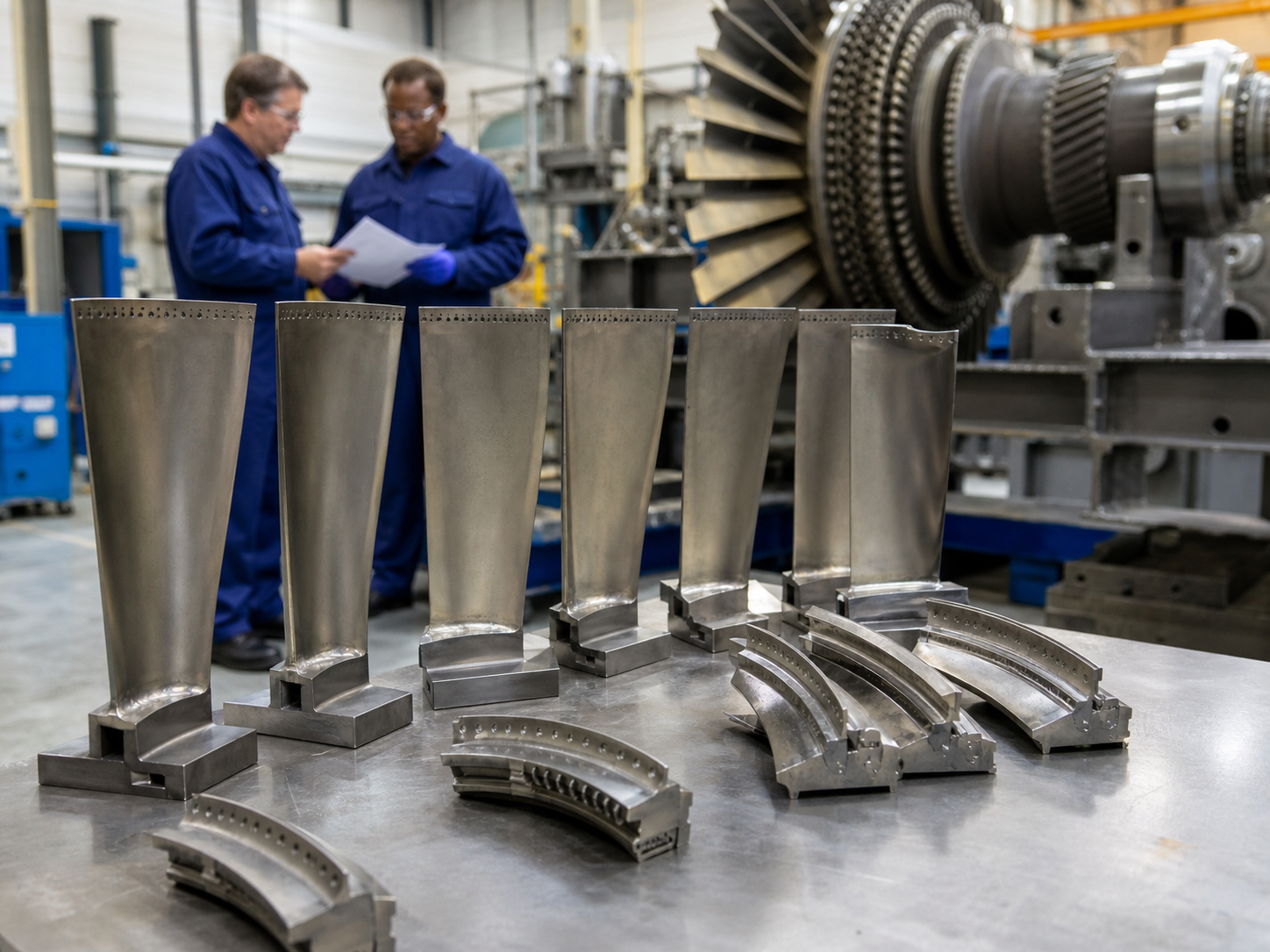
Combined Cycle & Thermal Plants
Directionally solidified casting route checks and drawing discipline.
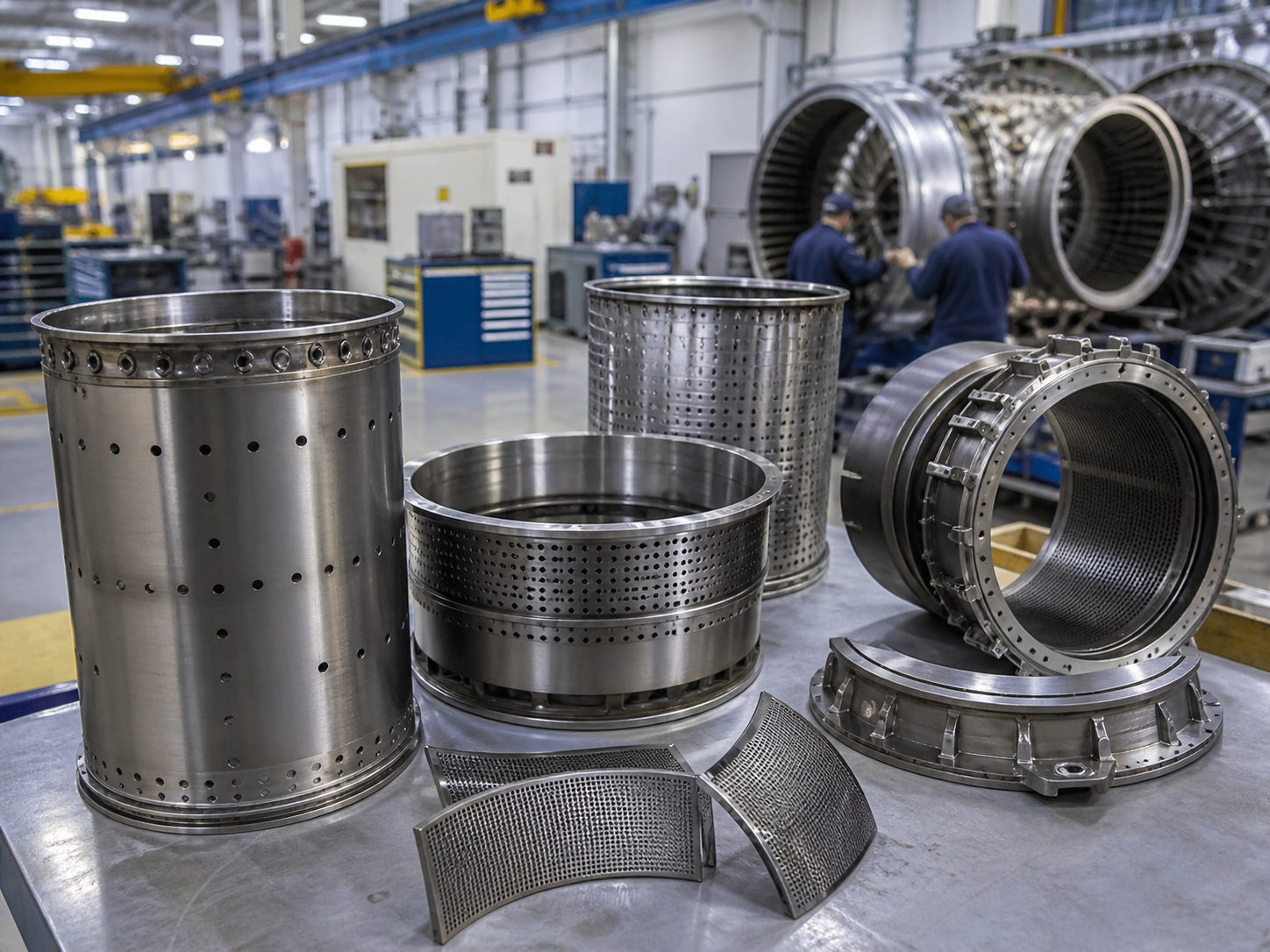
Combined Cycle & Thermal Plants
Combustion section replacements controlled by application and material path.
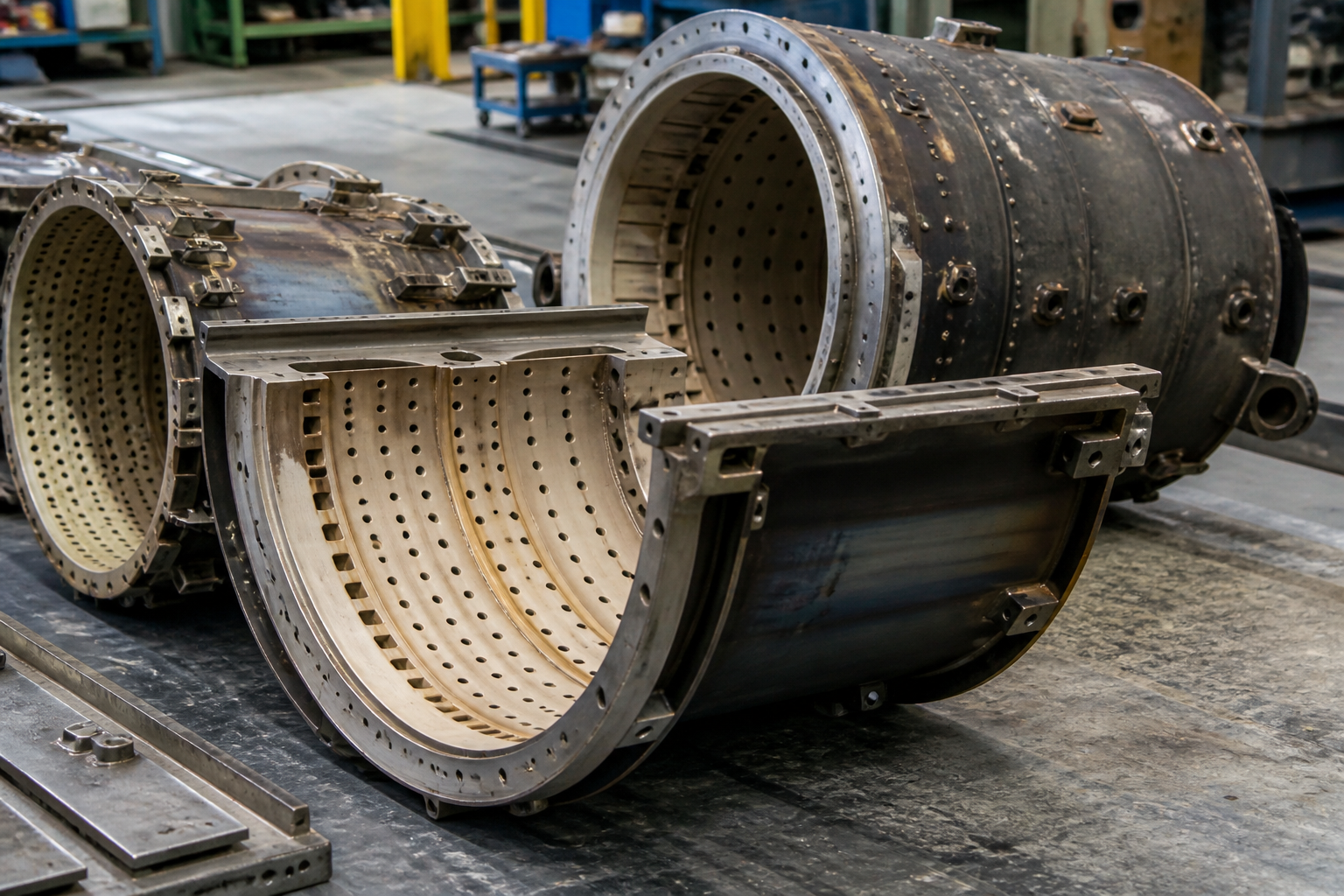
Combined Cycle & Thermal Plants
Dual fuel nozzle packages where exact configuration and clean documentation matter.
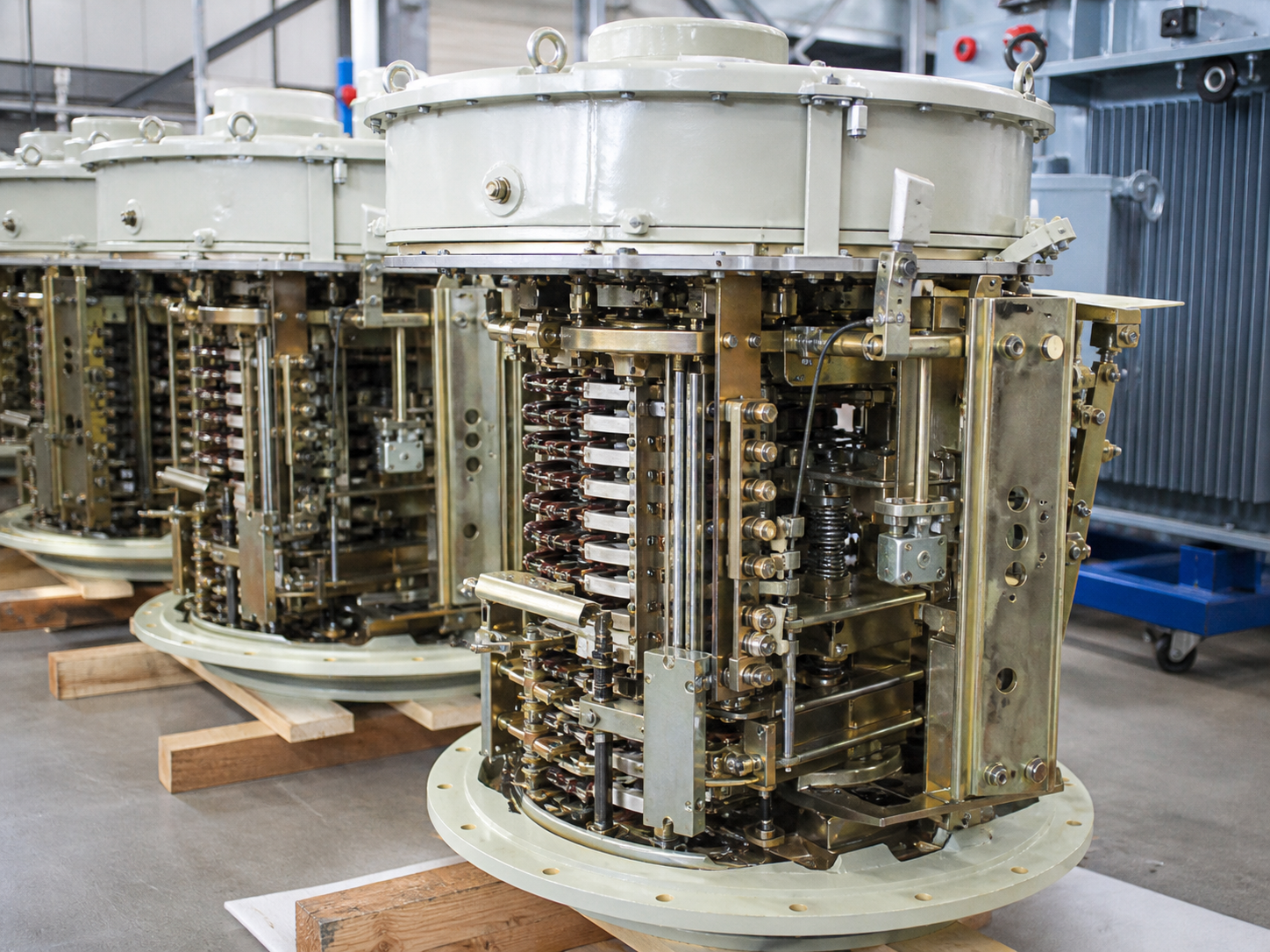
Combined Cycle & Thermal Plants
Gas turbine exhaust section items with fit, alloy and packing control.
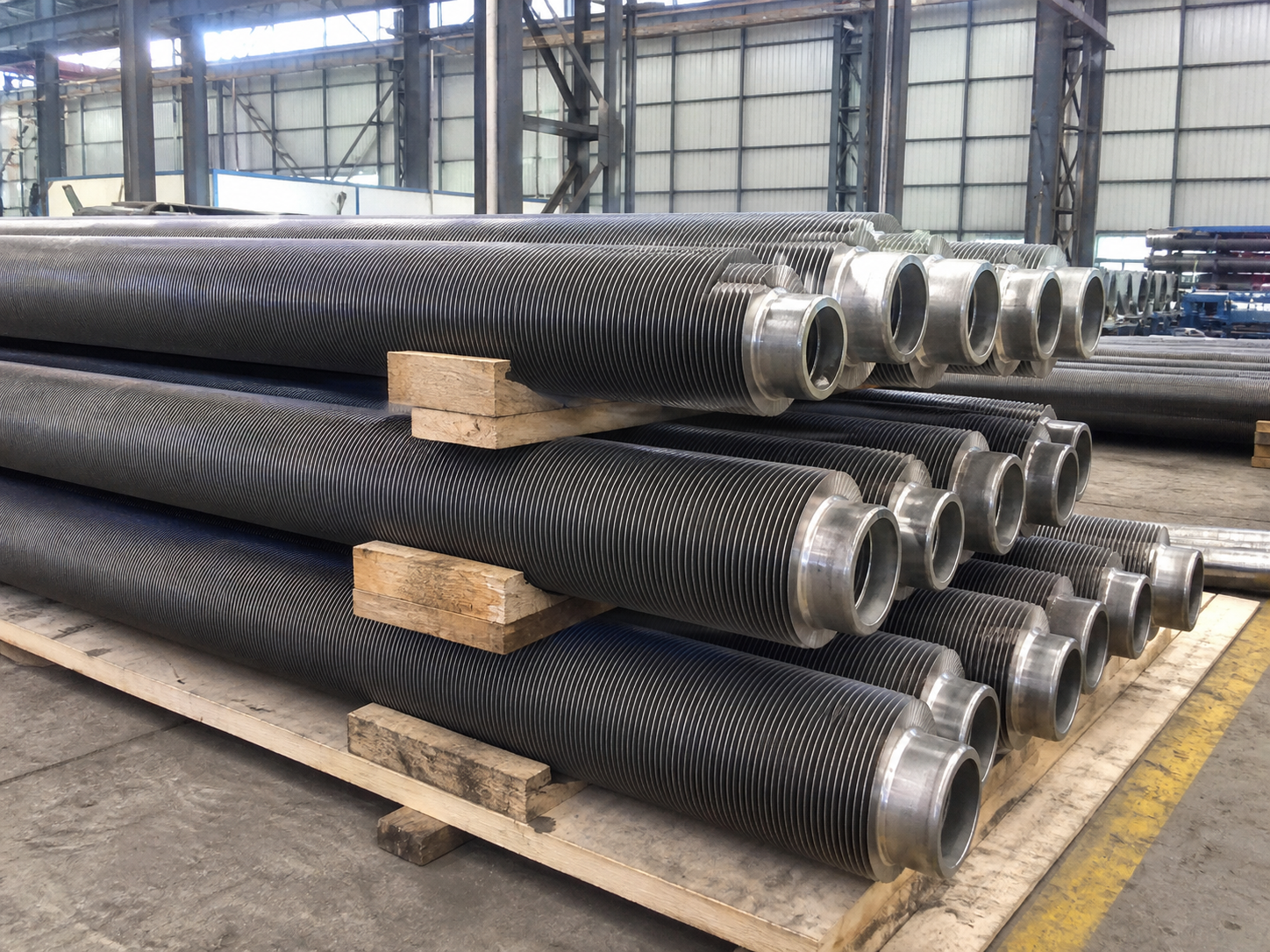
Combined Cycle & Thermal Plants
Heat recovery component sourcing where dimensional conformity matters.
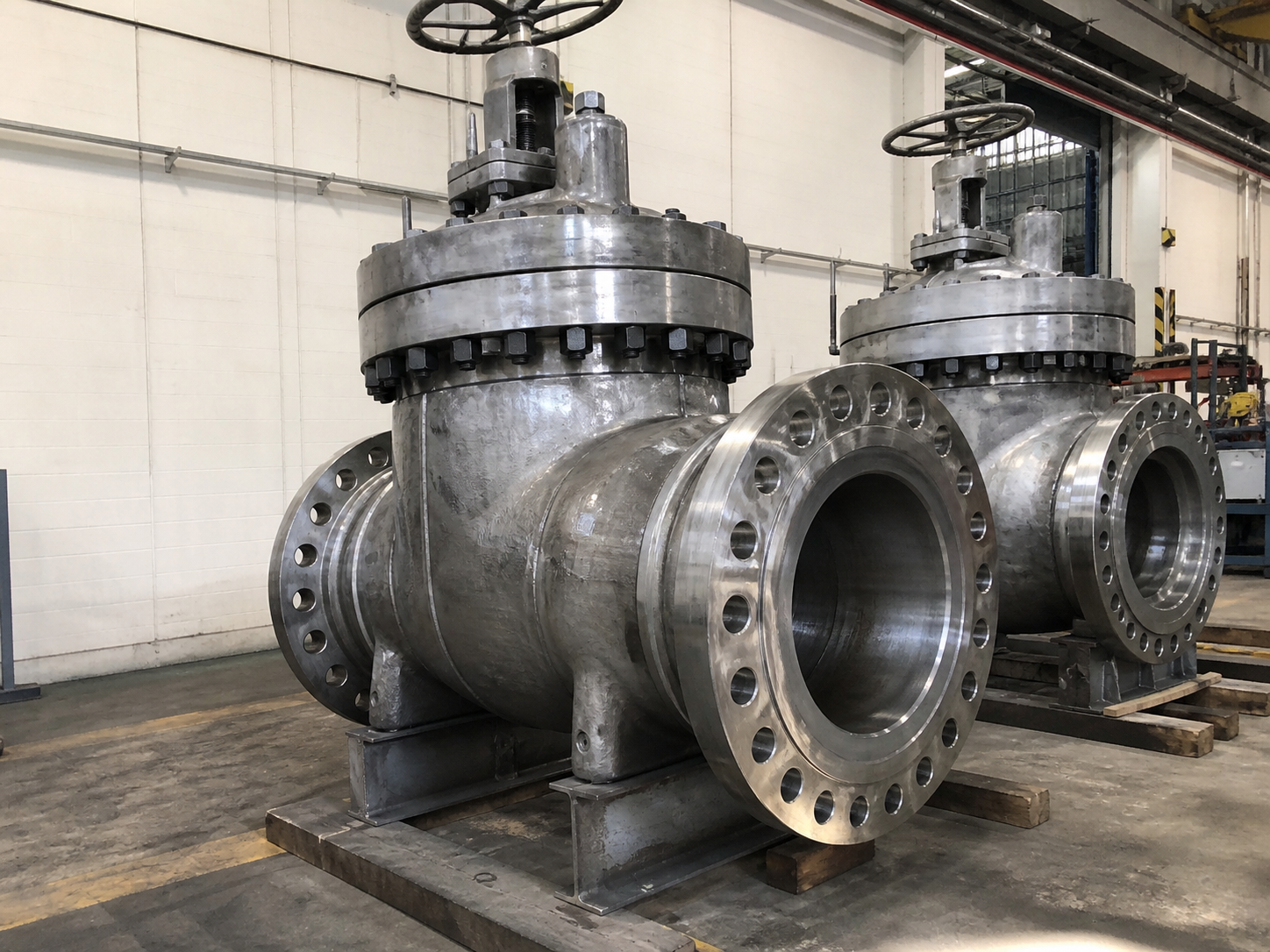
Combined Cycle & Thermal Plants
Critical valve packages where pressure class, trim and material must align.
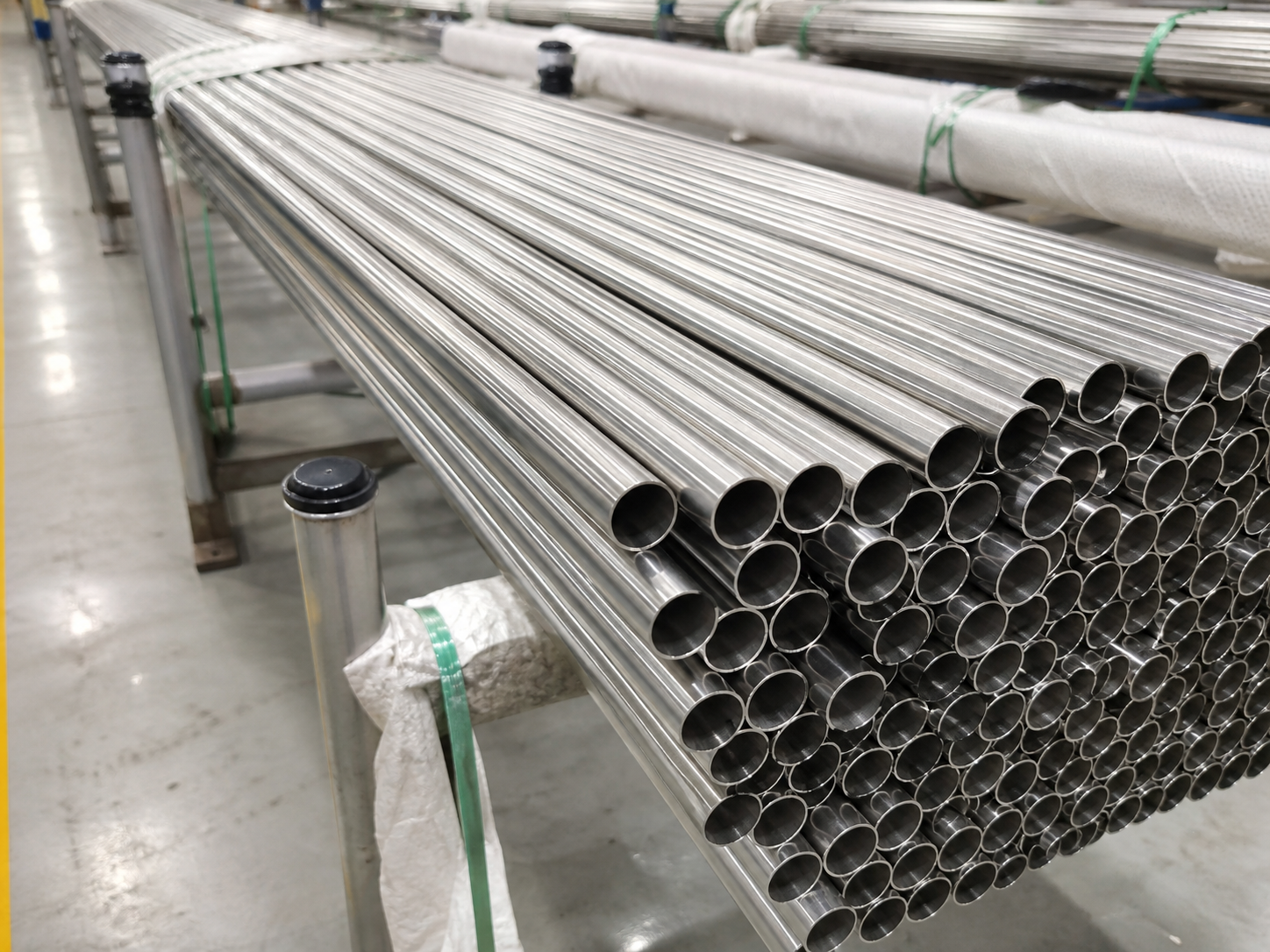
Combined Cycle & Thermal Plants
Titanium and stainless tube supply where certificate discipline is essential.
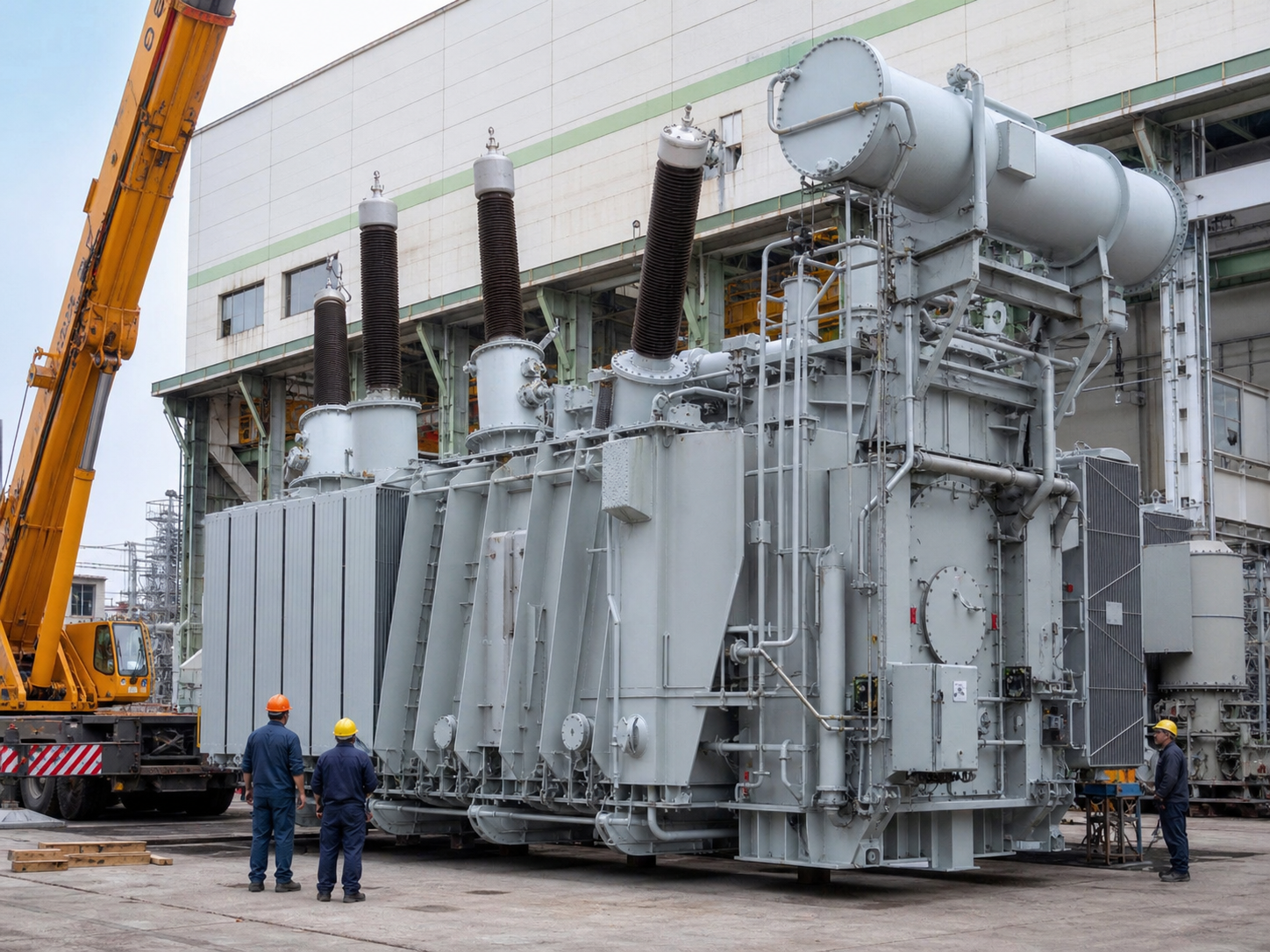
Generation Linked Substations
High value transformer packages where route, condition and export readiness matter.
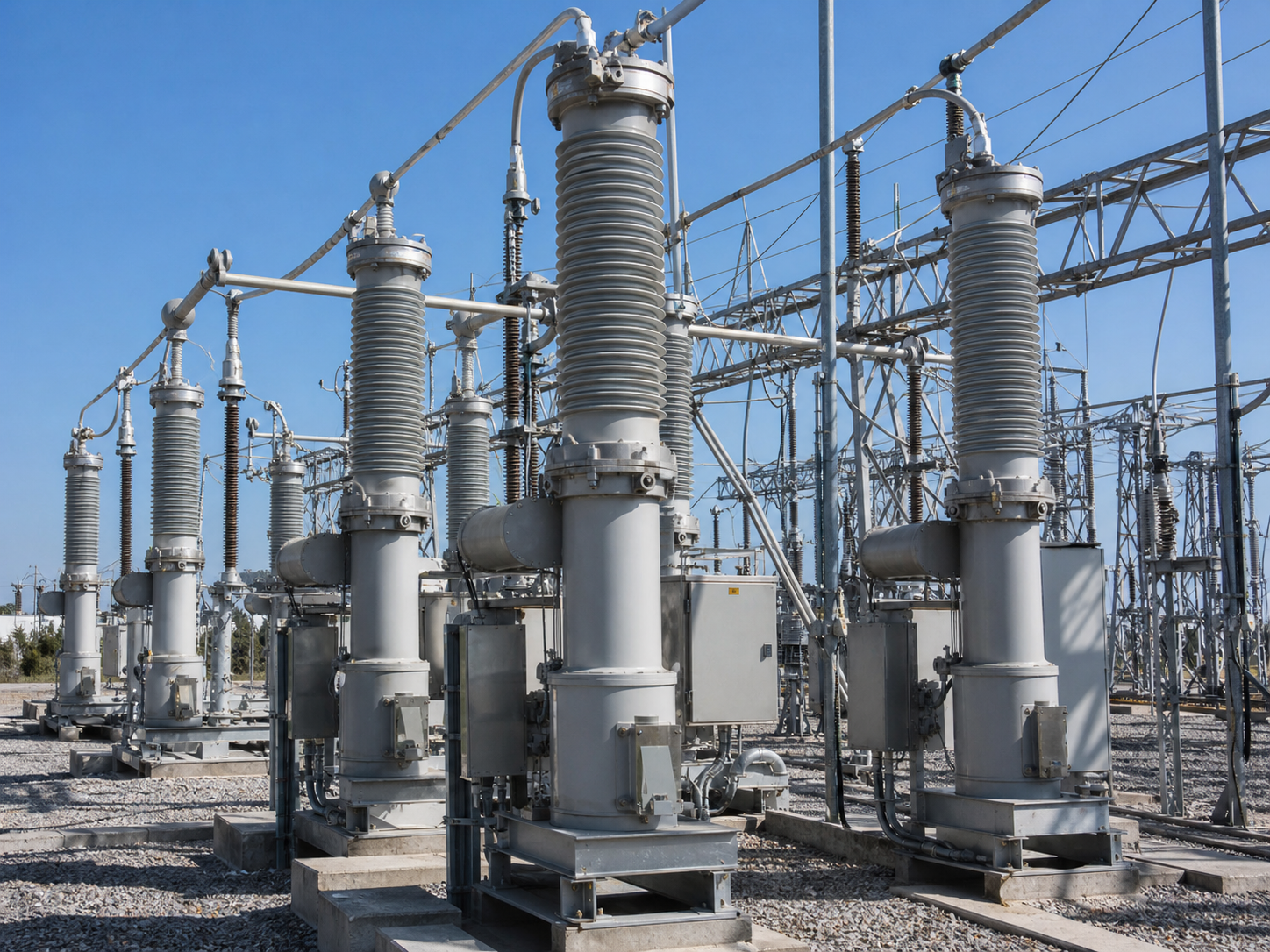
Generation Linked Substations
GSU supply support with technical review before commitment.

Generation Linked Substations
RIP and OIP bushing packages where traceability and packing are sensitive.
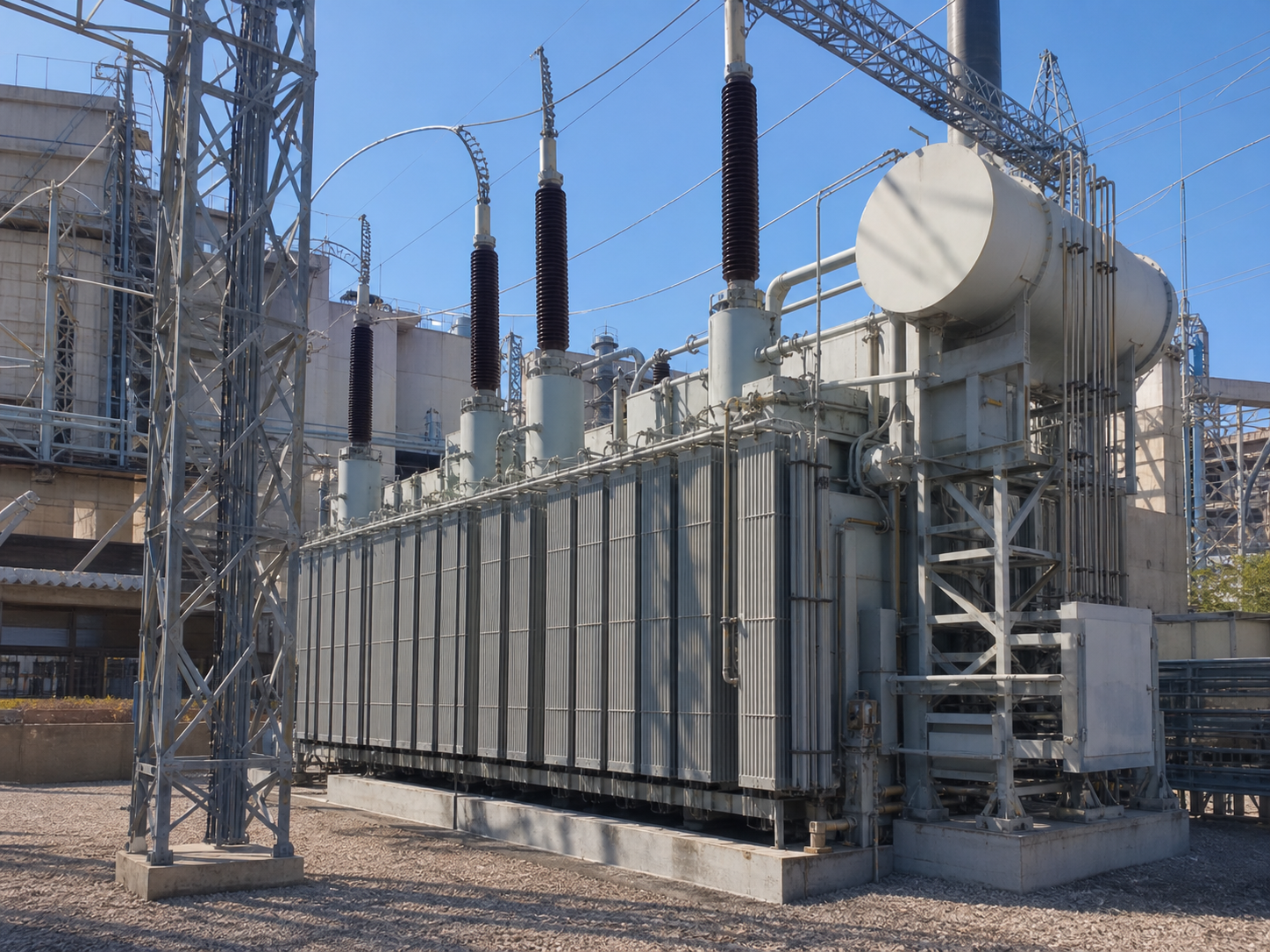
Generation Linked Substations
OLTC support where installed base match is more important than catalog claims.

Generation Linked Substations
HV switching packages where OEM route and identity control matter.
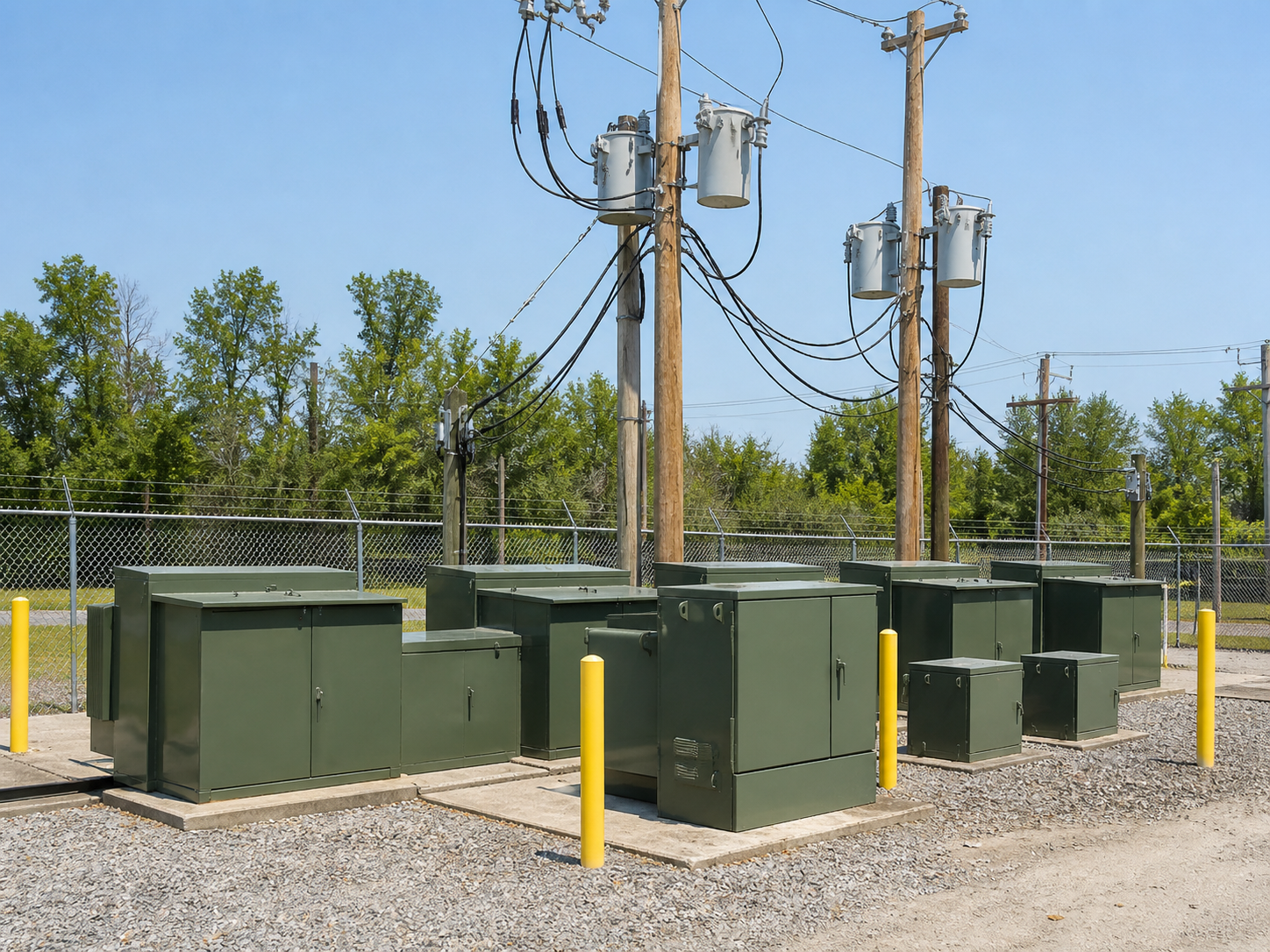
Grid & Utility Maintenance
Pad mounted and utility distribution transformer support for repair and replacement.
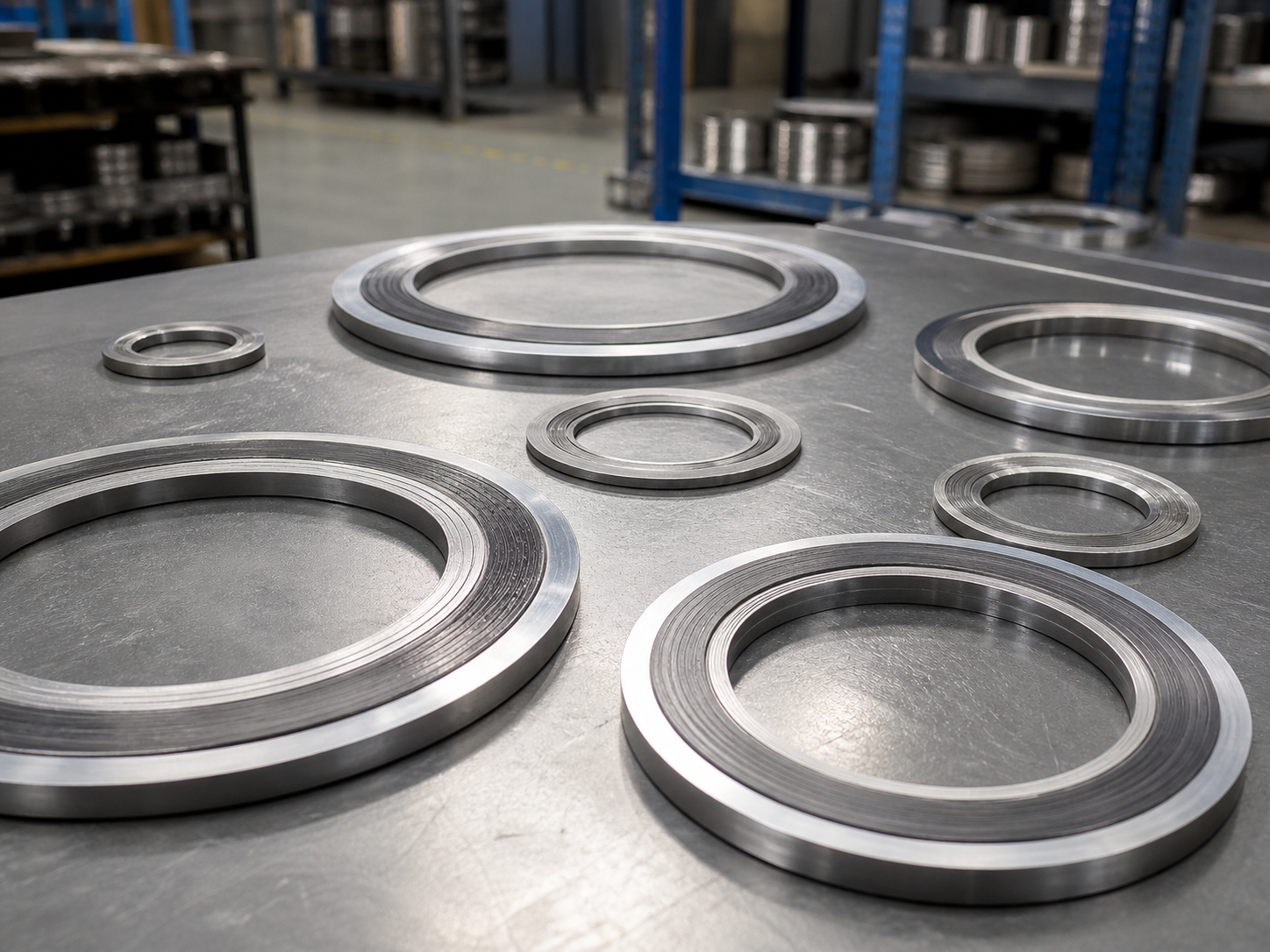
Grid & Utility Maintenance
Suspension and post insulator packages for maintenance and line restoration.
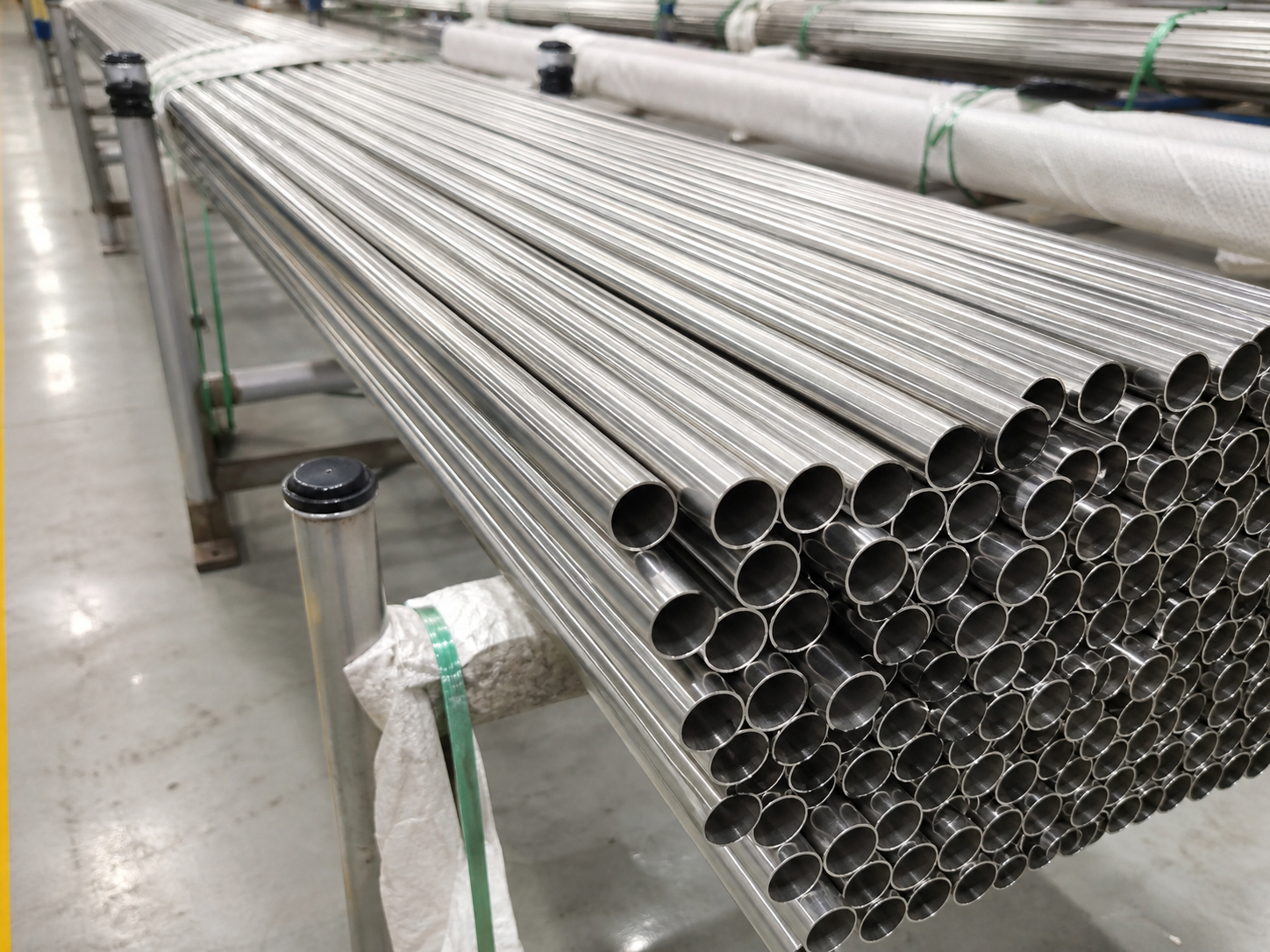
Grid & Utility Maintenance
XLPE cable support with termination logic and handling discipline.
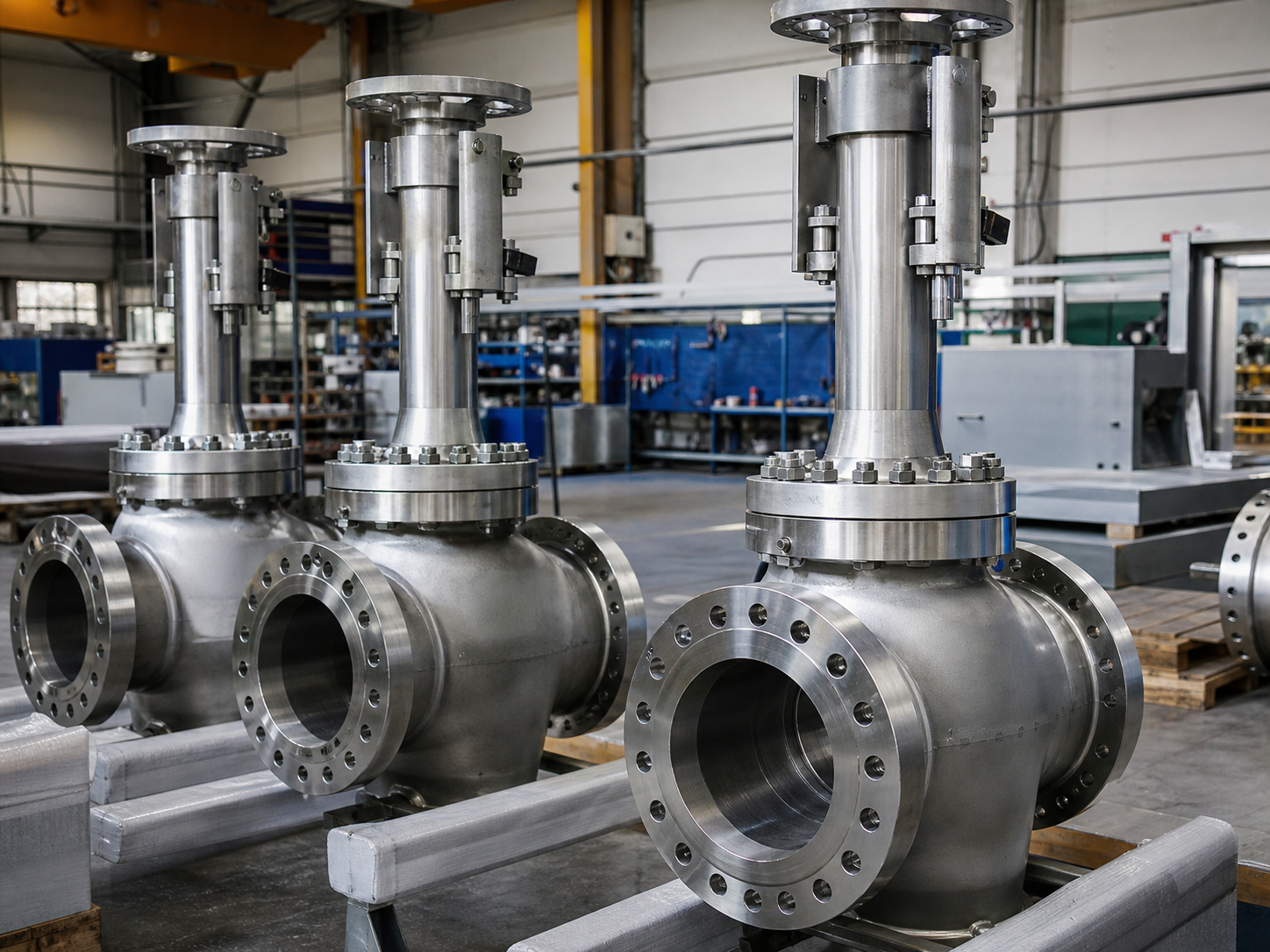
Hazardous & Critical Utility Packages
LNG duty valves where service class and certificate path are non negotiable.
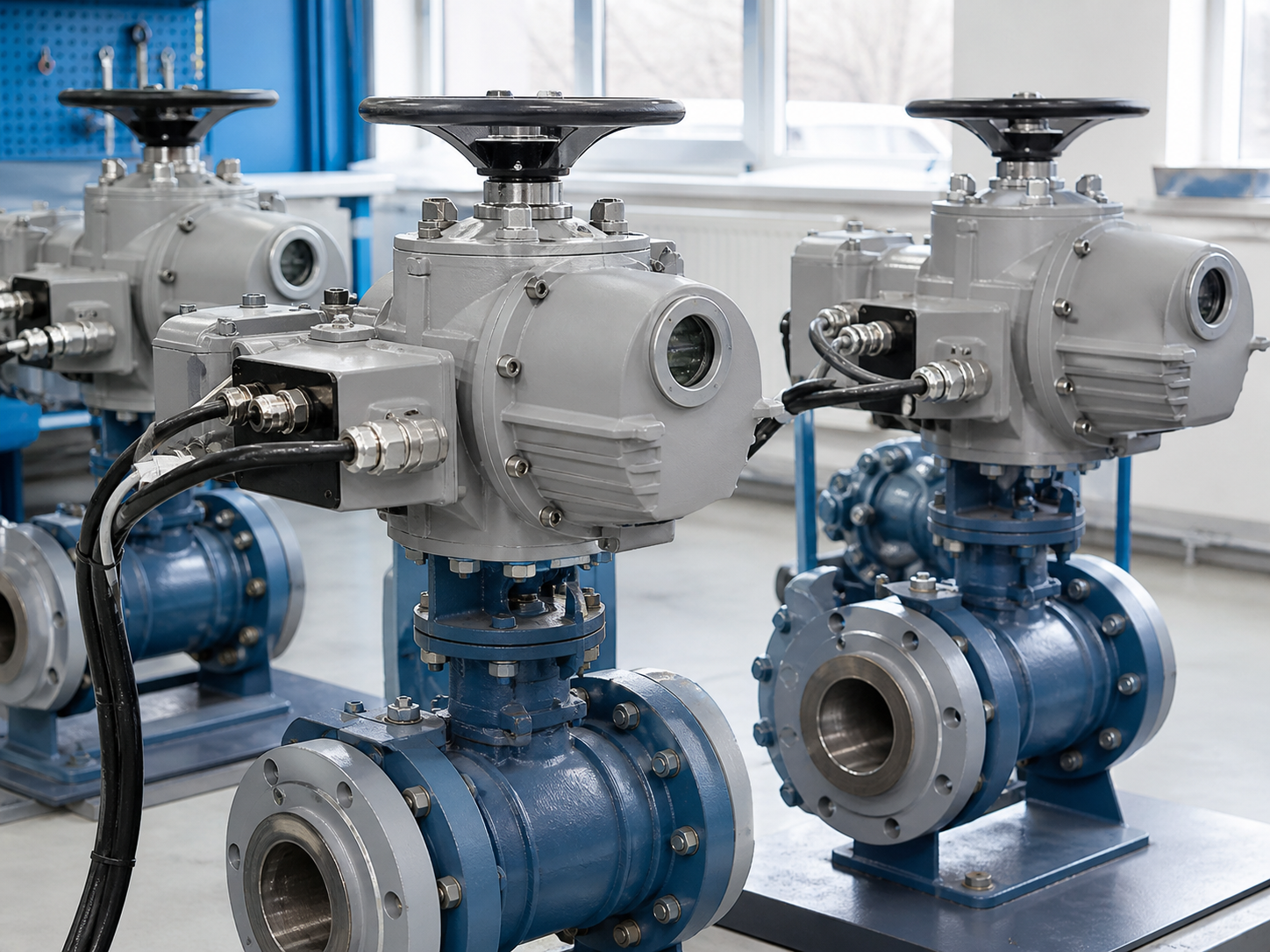
Hazardous & Critical Utility Packages
Explosion proof actuator support with enclosure and control logic review.
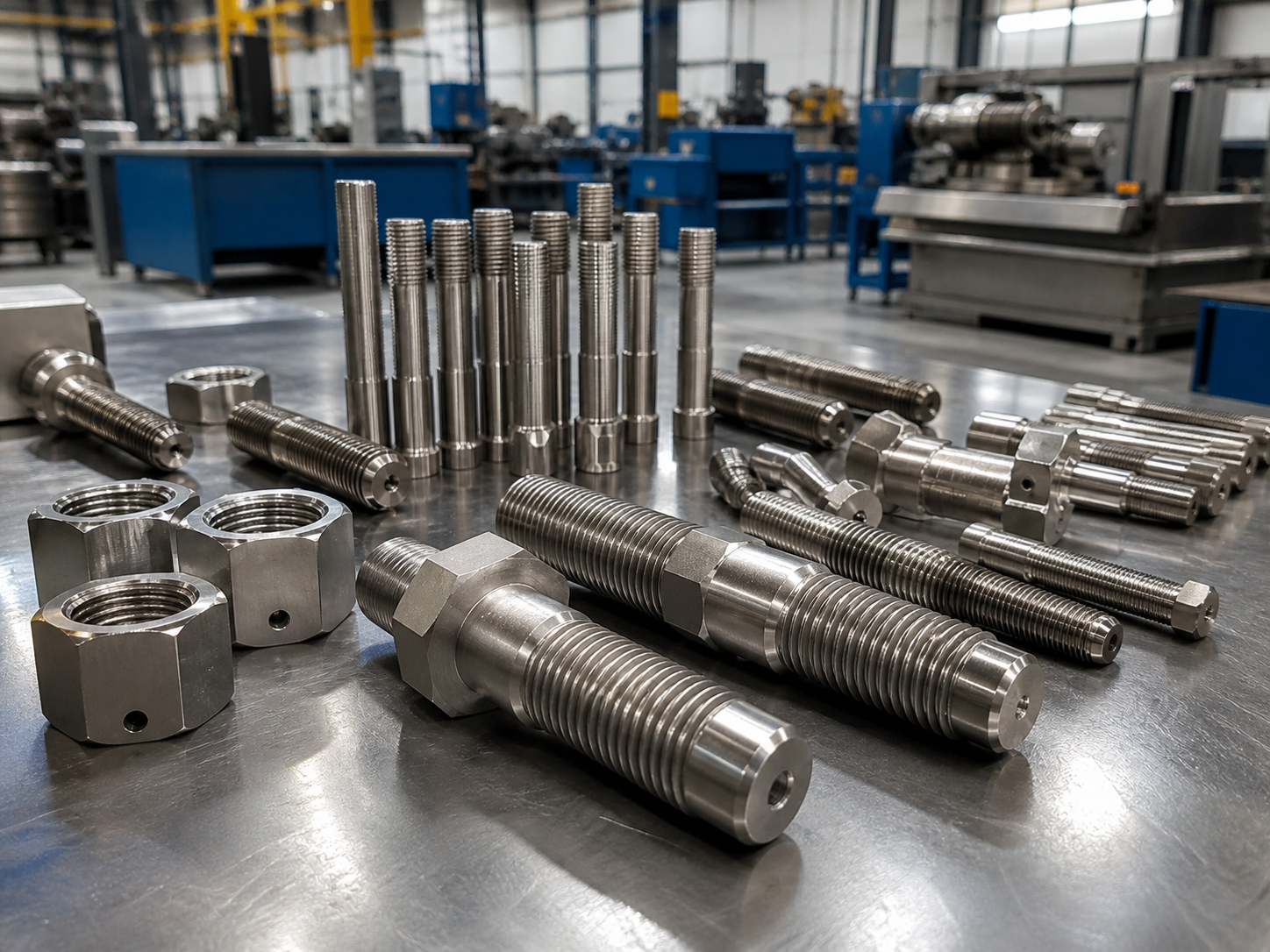
Shutdown & Replacement Support
Rapid fit outage consumables where standard and material pairing matter.
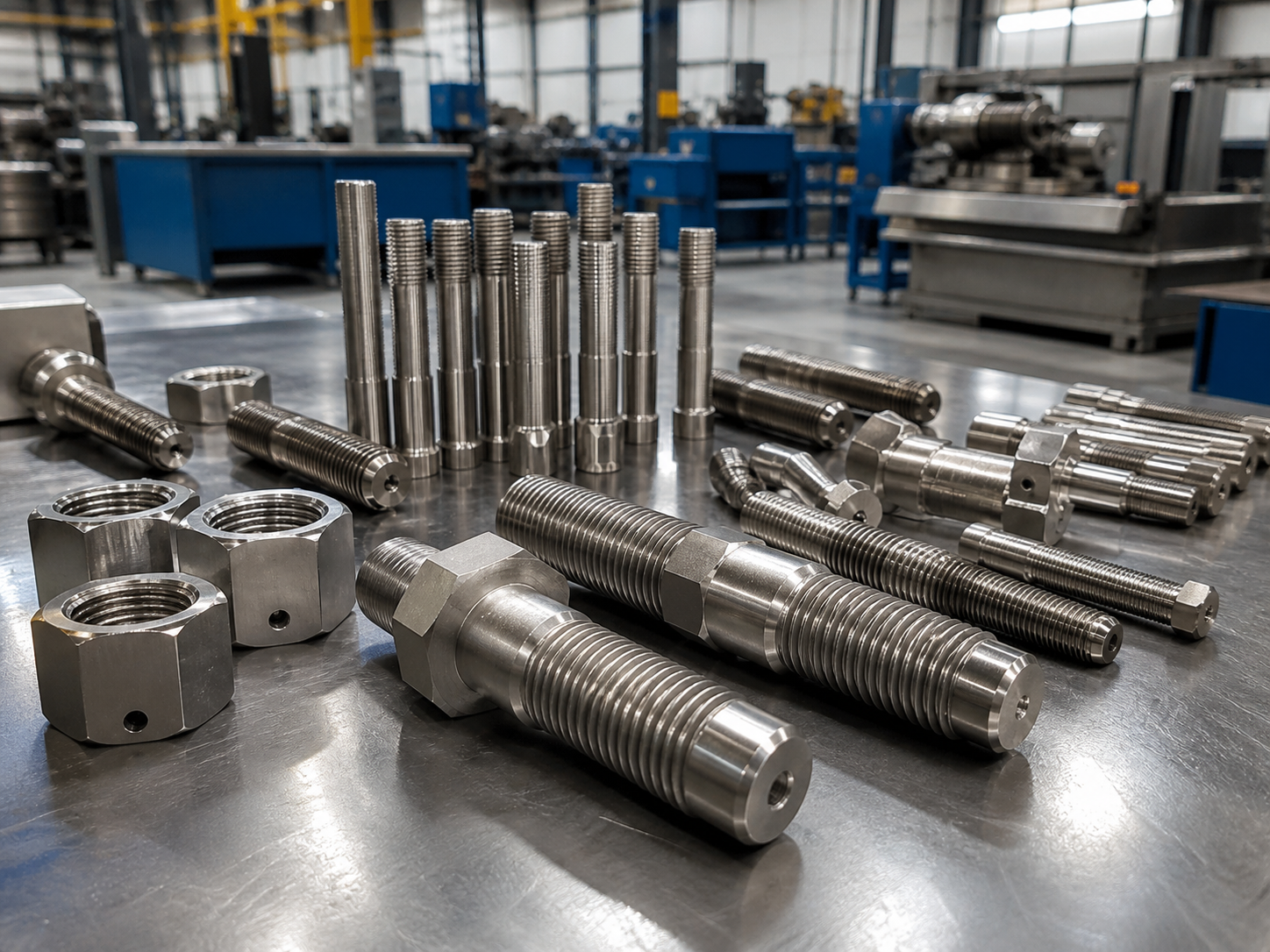
Shutdown & Replacement Support
Turbine studs and bolts where alloy identity and test records matter.
Buyer FAQ
We start with item identity, model logic, drawing review, application note, standard requirement, quantity logic and lead-time reality. Only after that do we build the sourcing route.
We screen by product family fit, production scope, relevant manufacturing history, document path, traceability logic, factory capability, recording capability, visible process control and export readiness.
We do not rely on PDF files alone. We compare document logic with physical identity points, supplier route, production reality, available verification channels and consistency across the full document path.
We look for identity mismatch, repainted or reworked appearance, inconsistent nameplate logic, weak packaging signals, route gaps and red flags in supporting documents before release.
Yes, where the project requires it. Capability review can include production environment, process suitability, handling discipline, visible inspection points, packing control and practical fulfilment risk.
If the route looks weak, the fulfilment risk is too high, the certificate path is doubtful or the supplier side cannot support clean execution, the project is declined instead of pushed into a weak quotation path.
Next step
Send the item list, drawing, model number, application note, standard requirement or shutdown package. The first task is not selling. The first task is deciding whether the job should be taken at all.